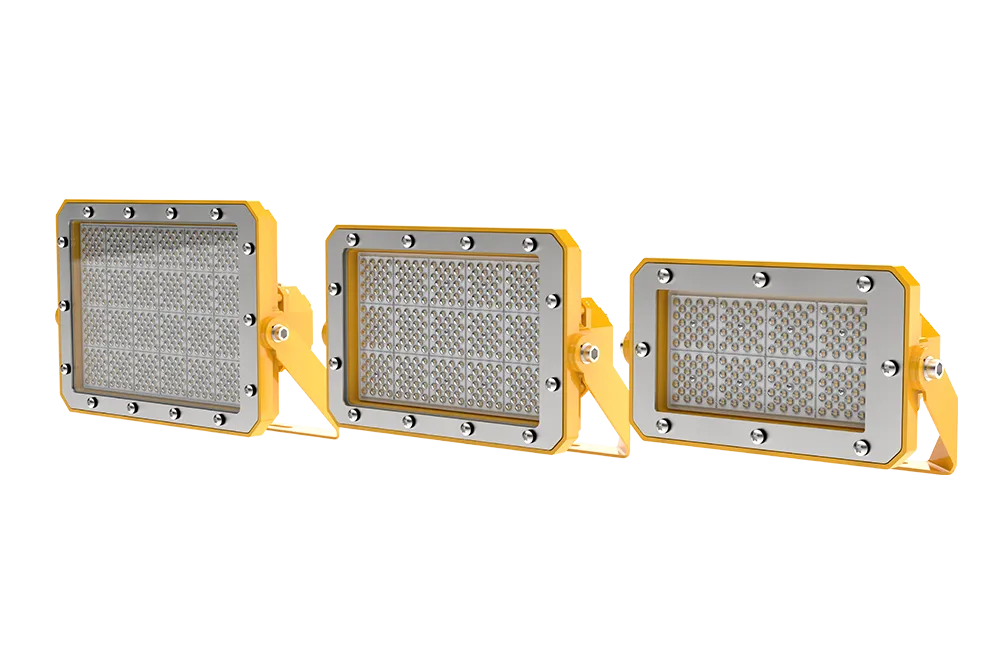
How do explosion proof led lights contribute to long-term energy roadmaps?
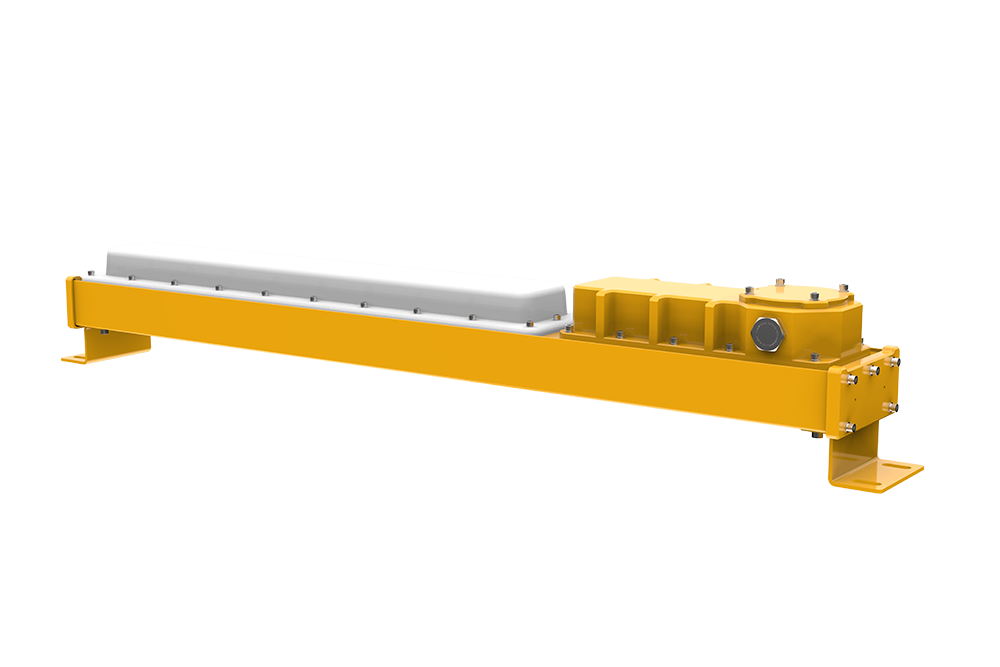
Starting said text examines the solutions about ignition-resistant luminaires within construction sites.
Functioning cautiously among hazardous locales for instance petrochemical units calls for select machinery in order to thwart likely disasters. Fire-secure luminaires are necessary parts in corresponding environments, fabricated to resist energy releases, inflammable mists, and volatile fields. The aforementioned appliances are not naturally sound; on the contrary they are engineered to contain any interior energy release or flash and halt it from triggering a amplified ignition in the nearby region. This guide delivers significant information about explosion-proof fixtures, their operations, and safety concerns for utilizing them correctly.
Grasping Explosion Proof Lighting Standards
Operating within prescribed hazard-resistant lighting criteria can be elaborate, especially for fields working with hazardous spaces. These requirements – often stemming from regional bodies namely the National Electrical Authority (NEC), ATEX (Europe), and IEC – impose stringent design and placement steps to prevent the threat of ignition from voltage-based hardware. Understanding such standards is essential for ensuring worker safety and observance with binding mandates.
Photon Emitting Intrinsically Safe Lighting Systems: Capability & Precaution
Crystal-Based explosion proof fixtures provide a substantial advancement over older vapor sources in locations where volatile materials are detected. These robust units simply deliver exceptional reduced energy consumption, meaning reduced expenses, but crucially support a boosted grade of risk mitigation by reducing the potential of sparks due to energy flare-ups}.
Explosion Resistant Combustible Area Perilous Proof Combustion Flare Flare Resistant} Fixtures : A Complete Outline
Explosion Safe Risky Location Treacherous Proof} Sources are uniquely produced lighting mechanisms built to perform safely within potentially detonable settings. These robust fixtures restrain sparks, thermal energy and electrical streams from initiating a dangerous explosion. They regularly incorporate innovative designs, encompassing particularly sealed housings and by nature safe circuitry devices to maintain safety standards in businesses like petroleum & hydrocarbon gas processing, fabrication plants, resource recovery operations, and biomedical production.
Appointing the Suitable Detonation-Safe Luminaires for Critical Zones
Recognizing the optimal hazloc fixtures for a selected danger zone involves thorough examination. Factors such as the categorization (e.g., Segment I, II, or III and areas A) shall be correctly analyzed to guarantee observance with corresponding security laws. Excluding the site's basic liabilities, assess external features, such as thermal state and water content, to find a robust and risk-free resolution. Usually refer to a experienced technician to direct your decision-making.
Places Where Are Found Explosion Proof Lights?
Explosion-proof frequently referred to as intrinsically safe|hazardous location|Class-rated} lighting apparatus are strictly needed in specific areas where inflammable aerosols or microparticles could may create a flammable atmosphere. This typically includes petroleum refining plants, adhesive application areas, seed handling facilities, and sanitary treatment plants. Regulations, such as those from ANSI and ANSI, stipulate their application in these facilities to avert the risk of flaring and keep operational effectiveness.
Positives of Semiconductor in Explosion Proof Units
Utilizing Semiconductor technology for explosion proof lighting offers a meaningful selection of upsides. First, electroluminescent units boast a substantially longer use span compared to traditional gas-discharge sources, reducing servicing expenses and downtime. They are also originally safer, producing offset thermal flux which curtails the possibility of sparking in treacherous atmospheres. What is more, photon emitters are significantly efficient, leading to lower current draw fees and a minimized ecological imprint. Finally, the hardy build of LED components bears the severe surroundings typical of ignition-resistant areas.
- Increased Lifespan
- Lessened Servicing Disbursements
- Boosted Security
- Curtailed Voltage Consumption
- Strengthened Robustness
Conserving and Assessing Explosion Proof Lighting Systems
Regular care and detailed scrutiny of hazardous location lighting frameworks led explosion proof lights are essentially indispensable for upholding safety and minimizing potential hazards. This entails a periodic review of all units, such as luminaires, channels, current conduits, and related distribution boxes. Especially, assess for degradation, structural faults, and adequate earth connection. Over and above, ascertain that complete markings are identifiable and that the light required by applicable guidelines.
- Implement visual checks.
- Examine current links.
- Verify ignition safety.
Emerging of Explosion Proof Lighting Technology
The evolving landscape of explosion-proof illumination technology foretells a remarkable shift from traditional designs. Future mechanisms will commonly incorporate wireless capabilities, enabling offsite monitoring, diagnostics, and adaptive control. We envision a widening adoption of crystal-based technology, not only for its primary energy efficiency, but also its ability to facilitate embedded sensors for monitoring risky conditions. Also, materials exploration is accelerating innovations in sturdy covering materials, allowing for compressed and streamlined designs, while securing the vital levels of precaution.
- Elevated battery life for portable applications.
- Integration with predictive maintenance platforms.
- Formation of automatic lens devices.