Can a travel-friendly Chinese Teapot kit appeal to digital nomads?
Within the domain of lasting customs,
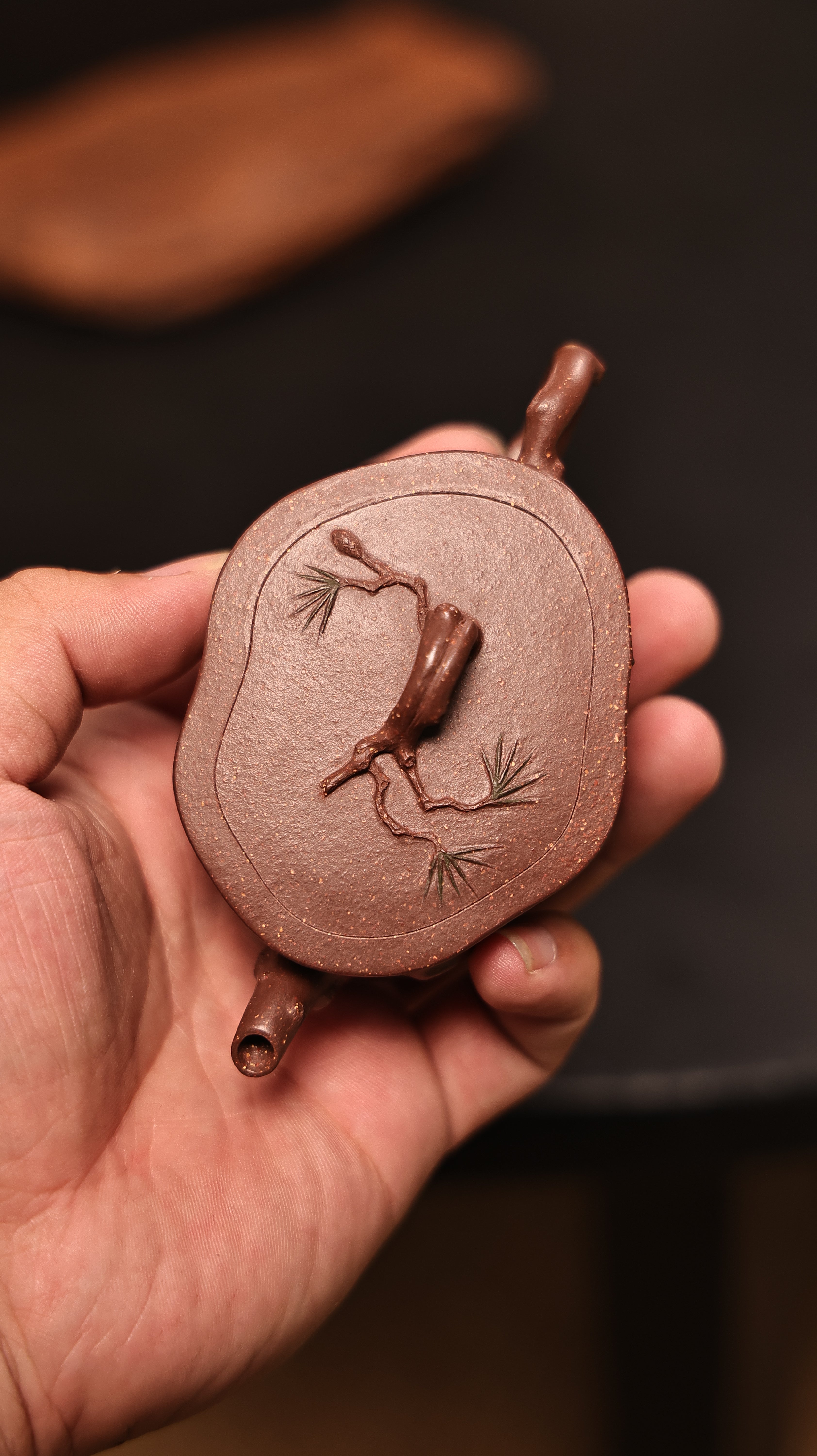
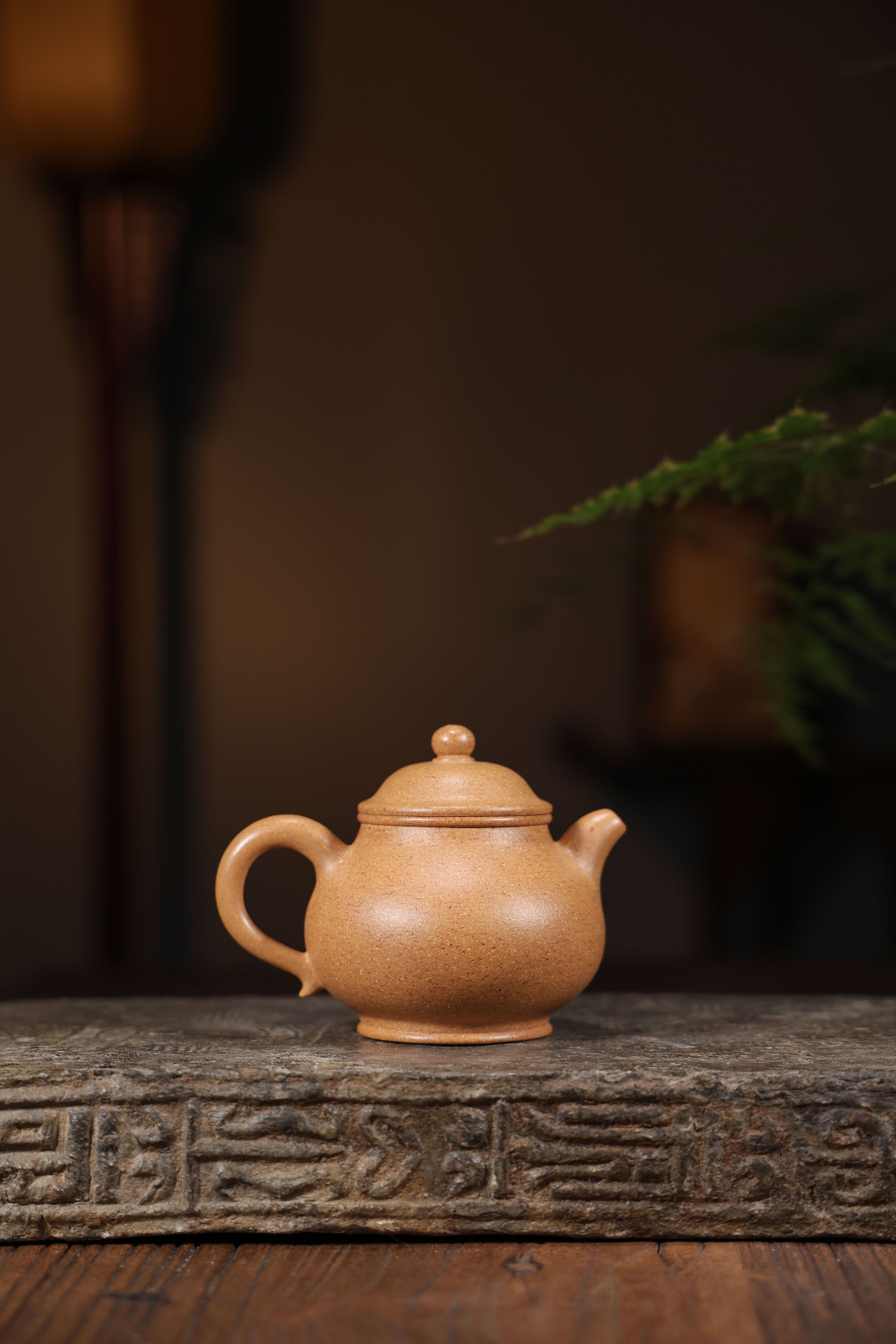
Throughout decades, enthusiasts have been ensnared by the extraordinary charm of Yixing Zisha carafes. Originating from the region of Yixing in the region of Jiangsu, these containers are renowned for their illustrious beauty, rare clay, and intrinsic ability to perfect the aroma of the drink. The substrate's distinctive mahogany hue, combined with the adept creation of provincial builders, creates works that are jointly functional objects and treasured financial interests. Obtaining a Zisha teapot is more than just a purchase; it's embracing a rich cultural heritage.
Understanding Yixing Teapots: Saga, Models, and Cost
Famous Yixing teapots manifest a extensive heritage deeply intertwined with Chinese culture. Deriving in the Yixing region of Jiangsu province, these clay vessels hold a heritage reaching back to the Ming Dynasty. First examples were functional, but throughout centuries, Yixing teapot making evolved into an esteemed art form. The clay itself, known for its unique vitality and ability to raise the flavor of the tea, endures a defining factor. Yixing teapots appear in various forms, broadly categorized by shape: Historic such as Zhuni (purple clay) and Bisheng, as well as exclusive designs. The merit of a Yixing teapot relies on several factors, including the potter’s reputation, the age of the piece, the rarity of the clay, and its aesthetic elegance.- Record: Founding era
- Substance: Zhuni (purple clay)
- Value Factors: Uniqueness
Zisha Craftsmanship: Craft and Makers
Particular fabrication of a superior Zisha teapot is a complex process, requiring multiple cycles of proficiency. Master artisans meticulously identify the top-grade Zisha clay, a unique earth found only in specific regions of China. Longstanding techniques, often transmitted through families, involve rigorous shaping, gentle carving, and patient firing in ancient stoves. The completed teapot isn't merely a utensil; it's a testament to imaginative vision and the substantial connection between the creator and their heritage. Each product showcases the individual touch of the designer, resulting in a truly unique work of design.
The Clayware: Examining the Profound Customs of the Yixing Territory
The Yixing City, established in Jiangsu the region, is extensively renowned for its exceptional clay pots – a tangible representation of centuries of Chinese craftsmanship. These aren't merely vessels for brewing tea; they are intricate works of mastery, often Zisha Teapot reflecting conceptual ideals. Yixing's unique purple clay, known as Zisha, possesses notable qualities: it dense, open to air, and imparts a subtle nuance to the tea.
- Several households have honed the techniques of Yixing earthenware making, passing down ancient methods through eras.
- Followers prize these pieces for their aesthetic and exclusiveness.
- Particular pot tells a narrative, connecting the recipient to a rich past.
Considering Yixing Zisha: Essential Tips
As evaluating collecting Yixing Zisha earthen pots, several aspects necessitate careful inspection. Preliminarily, the clay’s tone is vital; authentic Zisha ordinarily exhibits a identifiable auburn hue. Moreover, inspect the technique; distinct characteristics and a polished covering show adept construction. Concluding, consider the artist’s history; celebrated names fetch greater values and often provide a better appreciation.
Zisha Teapot Tea Brewing Mastery
Producing palatable tea with a Zisha pitcher is more over a simple practice; it's an specialty. Zisha clay, distinguished for its unique natural composition, imparts a refined character to the prepared tea that’s often absent with other containers. The right water thermal condition is fundamental; typically, reduced than what's used for black tea, to save the tea's scent and taste. Consider carefully the tea form; delicate green teas or aged pu-erhs prosper from the Zisha’s ability to ease their intrinsic edge. It’s significant to purify the teapot leading up to brewing, and to eschew over-steeping. Mastering this practice leads to a genuinely exceptional tea phenomenon.
- Appreciating Zisha Clay
- Water Warmth & Kind of Tea
- Significance of Pre-heating
Enhancing Your Celebrated Pot
In order to preserve the endurance of your cherished Yixing container, regular management is critically essential. Shun using soapsuds; instead, gently purify it with lukewarm hydrous medium. Shun sudden variations; don't rest the vessel directly onto a glowing platform. Periodically, season the pot by steeping it with superior black drink, as this contributes to boost its flavor and conserves the inherent merits of the substance.
Dealing with Soil to Chalice: The Process of a Famous Pot
Such creation of a Zisha teapot is a remarkable procedure, a representation to both the world's bounty and the finesse of the maker. It launches with the careful extraction of the singular clay from the plum Zisha mines around Yixing. This virgin material, known for its exquisite features, is then methodically clarified and shaped for the early forming. The teapot's design is masterfully formed using a mix of historical forming methods, often incorporating detailed ornaments. Following hardening, the teapot undergoes a vital first firing, joined by a polishing stage, which might involve multiple layers of organic Zisha layers. Finally, a second, and sometimes third, firing at strong temperatures renders the composition, revealing its final beauty and splendid characteristics - a real masterpiece, equipped to embellish a tea session.
{Yixing Teapots: A Symbol of Chinese Tradition and Esteem
Renowned Yixing teapots, originating from the distinguished Yixing region of Jiangsu province, are far more than mere earthenware for brewing potions; they represent a substantial aspect of Chinese identity. Manufactured from distinctive purple clay – zisha – these unique teapots are highly prized for their ability to improve the flavor of the tea and, crucially, for their aesthetic appeal. The legacy of Yixing teapot making spans centuries, and the craft involved is transmitted through generations, making each teapot a beautiful object that embodies classical techniques and a profound appreciation for the refined pleasures in life.